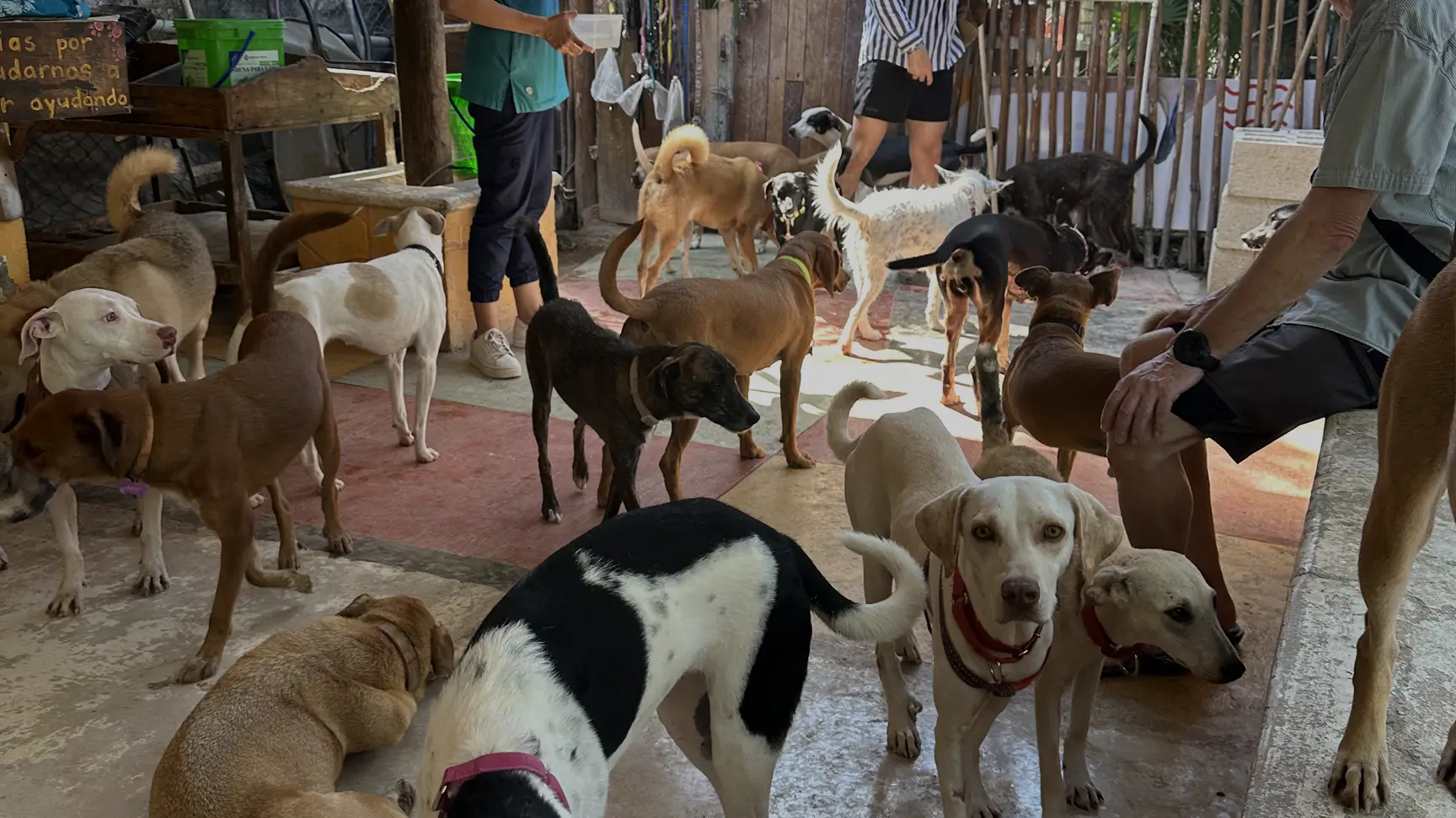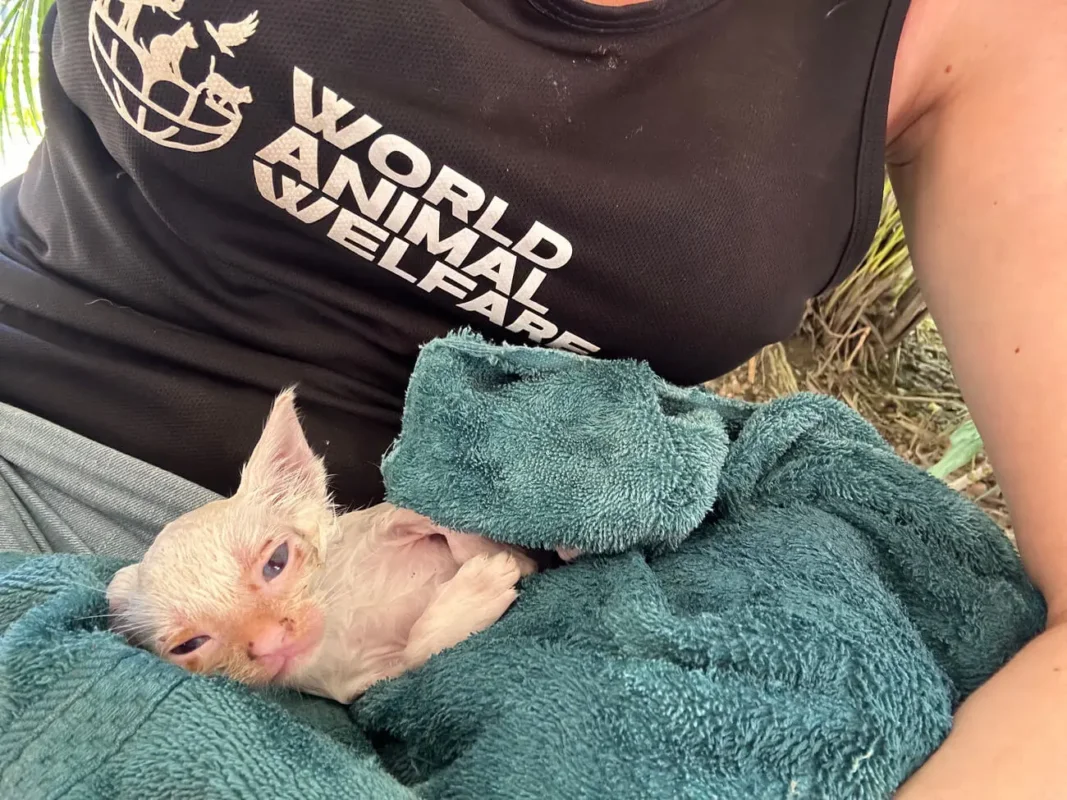
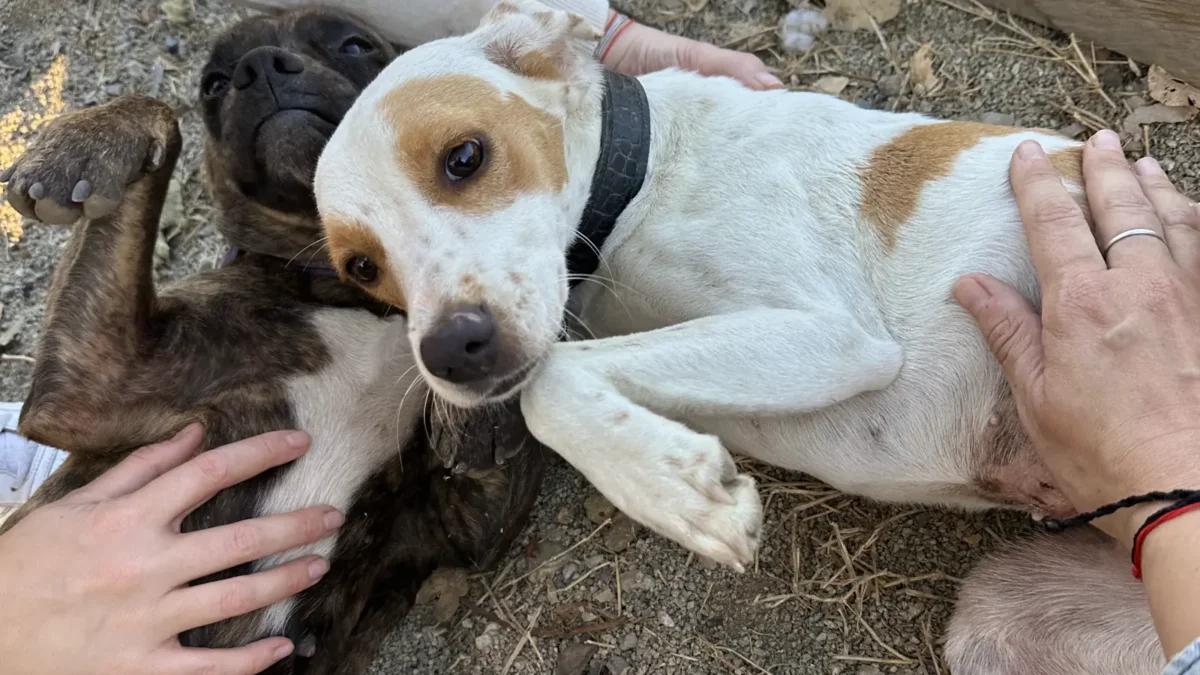

I once wrote to twenty animal shelters because I wanted to help. Eighteen never replied, one said no, and one invited me to come by. Most shelters do need volunteers, but their teams are small, their days are full, and an email from a stranger is easy to miss. That experience is why I started World Animal Welfare.
Here's how to volunteer at an animal shelter, from the first look at your calendar to your first shift, whether that shelter is around the corner or on the other side of the world.
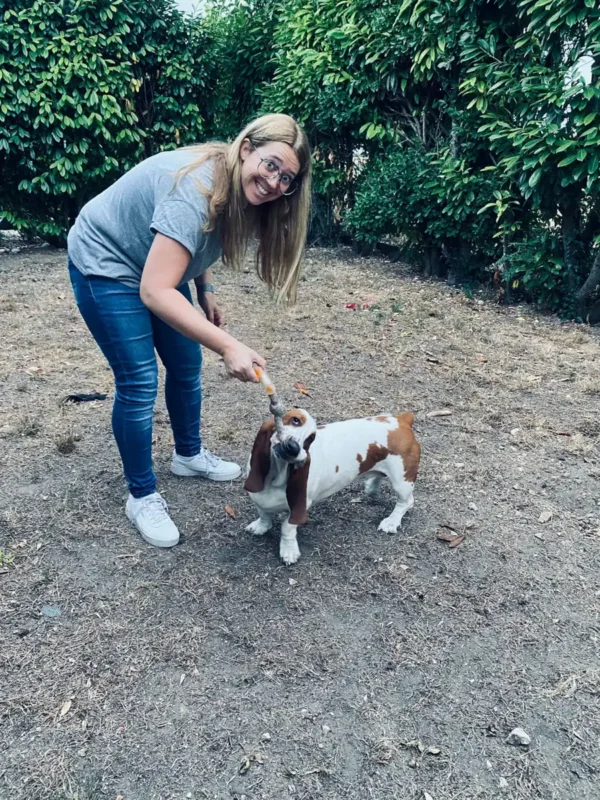
Quick answer: how to volunteer at an animal shelter
- Decide what kind of help you can give.
- Find a shelter or rescue near you. Want to travel? Use a volunteer platform like World Animal Welfare to find shelters abroad.
- Check the requirements and the time commitment, then apply.
- Learn the ropes, at an orientation or on your first day.
- Prepare for your first shift.
- Show up consistently.
How to volunteer at an animal shelter in 6 steps
Step 1: Decide what kind of help you can give
Before you contact anyone, be honest with yourself about where you want to help, how much time you really have, which animals you'd like to work with and what you're actually good at, because all of that decides which shelter fits you.
There are two ways to volunteer at an animal shelter. You can help locally, at a shelter near your home. Or you can volunteer worldwide, while you travel or while you live in another country for a while. Both are good options, but they ask for different commitments.
Time matters most. Two reliable hours every Saturday are worth more to a shelter than a big promise you can't keep. Many shelters ask for a minimum commitment, so know your number before you apply.
Think about the animals, too. Are you nervous around large dogs? Allergic to cats? That's fine. Shelters need people in the cat room, at the front desk and behind the camera.
- Regular shifts, like a few hours a week or a month
- You live at home, so no travel costs
- You get to know the animals over months
- A stay of a few weeks or months
- Often with accommodation, sometimes with meals, sometimes neither
- More hours per day, a new place, new people
Tip: not a dog person?
There are plenty of other options. Cat shelters look for people who love cats. Sanctuaries care for farm animals such as donkeys, pigs or horses. On World Animal Welfare, for example, La Isla de los Monos in Peru looks for volunteers to care for eight species of monkeys. Expect to prepare food and care for the animals rather than cuddle them. The center even asks volunteers to make sure day visitors respect its no-touch policy, because wild animals shouldn't get used to people, even when a little monkey looks at you like it wants nothing more than a hug.
Skills like photography, carpentry, admin work or social media are welcome, too. Mention them in your application.
Step 2: Find a shelter or rescue near you
Near you. Start with a simple search for your city plus "animal shelter volunteer". Look at your city or county animal services, at local humane societies and SPCAs, and also at the smaller rescues, which often don't have a proper volunteer page and look for help on Facebook or Instagram instead.
And some shelters don't have a website at all or never post that they need volunteers. If you can't find anything, just drop by and ask. That's exactly how I started at my local shelter in Hamburg, and since then I help out there whenever I'm in town.
If there is a website, find the volunteer page and check whether applications are open. Some shelters only take new volunteers a few times a year. If you know someone who already volunteers there, ask them how it really is. Local shelters often have waiting lists too, so apply to more than one place, the second one on your list might need you right now.
Abroad. If you want to travel, or you live abroad, use volunteer platforms. On World Animal Welfare, shelters and rescues in 25+ countries list the help they need. See what is available wherever you're planning to go, or whether a listed shelter happens to be near you, and message them directly. It's free for volunteers and shelters, because we're a nonprofit.
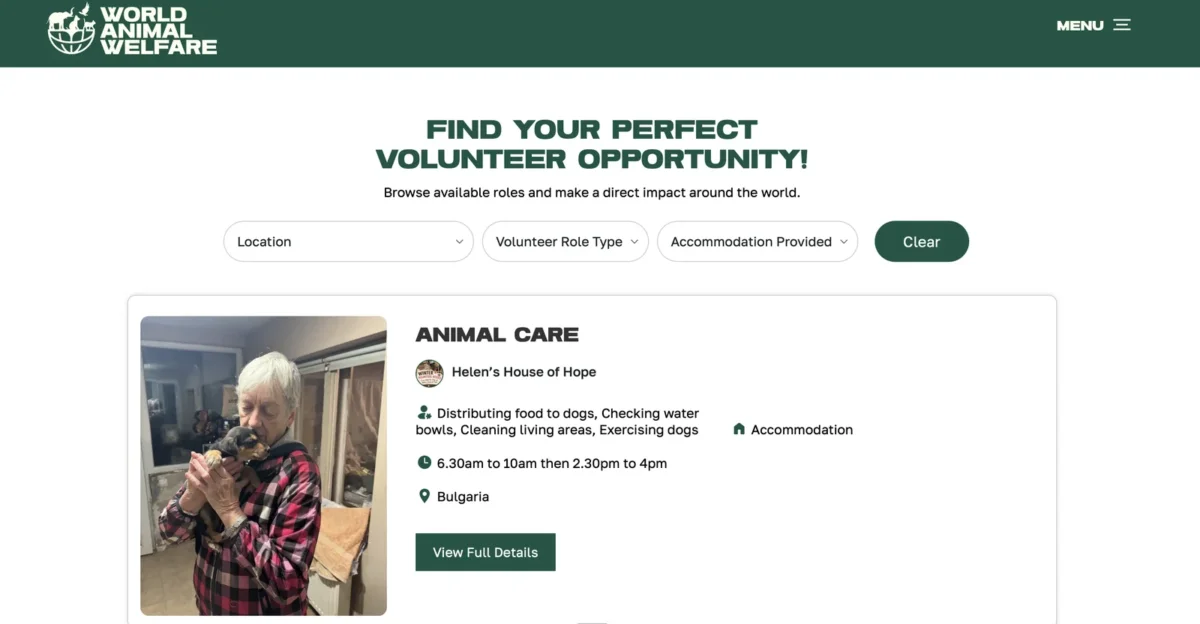
Step 3: Check the requirements and apply
Most shelters have an application form for volunteers. Expect questions about your contact details, availability, interests and whether you have pets yourself. Some also run a background check or ask you to sign a waiver, and if you don't hear back within two weeks, a short and friendly follow-up is completely normal.
Read the requirements before you fill it in. The usual ones are a minimum age, a minimum time commitment and the ability to do physical work. The time commitment is where the two options differ most.
-
Local volunteeringNo accommodation, and often just a few hours a month as the minimum. Many local shelters also ask you to stay for a few months, because training someone who's gone after two visits costs them more time than it saves.
-
Abroad, without accommodationSome shelters simply can't afford to host volunteers. Then you book and pay for your own room nearby, and the shifts are often shorter. Triple A Marbella in Spain asks for 14 days, 7 to 11 am, and its supporters often rent out rooms to volunteers at fair prices.
-
Abroad, with accommodationOften a minimum stay of about two weeks and around 4 hours of help a day.
-
Abroad, with room and boardOften a month or longer and 6 to 8 hours a day. In return, apart from your travel, you have hardly any costs on site.
Rule of thumb: the more a shelter provides, the more time it asks of you. Every listing on World Animal Welfare shows the minimum stay and what is included.
And wherever you end up, expect physical work. You'll be bending, lifting and standing for hours, and shelters usually mention that in their requirements.
Step 4: Learn the ropes, at an orientation or on your first day
Many shelters start new volunteers with an orientation or a training session. Not every shelter has one, though. At some, you simply show up for your first day and someone shows you everything you need to know. That first day or orientation is where you learn the house rules, so how to enter kennels safely, how to read basic dog and cat body language, how cleaning works to stop diseases from spreading and what volunteers may and may not do.
Many shelters use levels. You might start with laundry, cleaning and cat socialization, and only walk dogs after some extra training. The levels protect you and the animals.
If you volunteer abroad, the introduction usually happens when you arrive. Ask the shelter beforehand how your first days are organized.
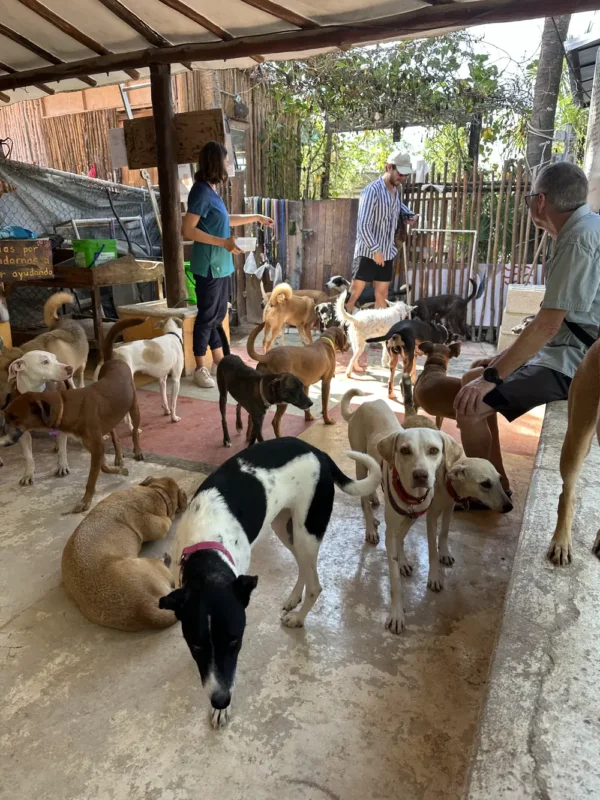
Step 5: Prepare for your first shift
Your first shift is mostly about learning. Arrive ten minutes early, introduce yourself to the volunteer coordinator or whoever runs the shift, and ask questions. Nobody expects you to know everything. And don't be surprised if nobody has time to show you around. Shelters are often chaotic, and on so many of my stays I had to find my own tasks because everyone was busy, which is completely normal. Look for what needs doing, like empty water bowls or a pile of towels, and ask before you do anything new with the animals. The section on what to wear and bring below covers the practical side.
Your first shift: do's and don'ts
- Arrive a few minutes early
- Ask before you do something new
- Follow the shelter's hygiene rules
- Tell staff if an animal seems unwell
- Open kennels without permission
- Give treats without asking
- Let dogs greet each other unasked
- Spend your shift on your phone
Step 6: Show up consistently
Shelters plan their days around the people who said they would come. When a volunteer doesn't show up, the dogs miss their walk and the staff stay later.
If you can't make a shift, cancel as early as you can. And if you keep showing up week after week, the coordinators notice, and that's usually when you get trusted with more.
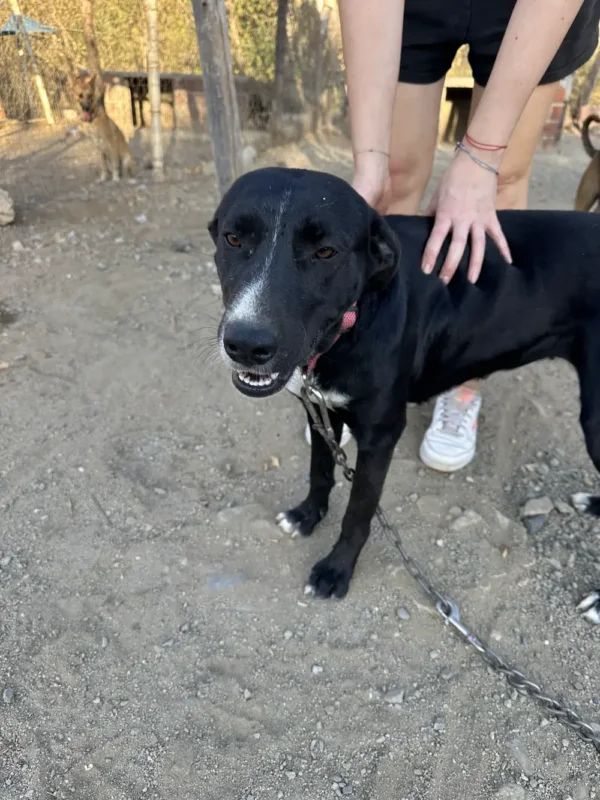
What do animal shelter volunteers do?
Animal shelter volunteers do the work that keeps animals healthy, calm and ready for adoption. Your exact duties depend on the shelter and your training level, but most roles include at least a few of these.
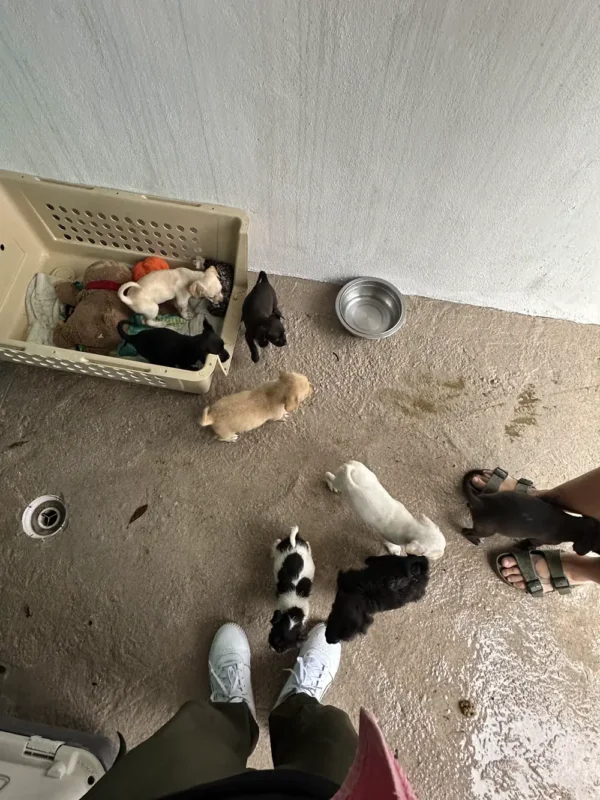
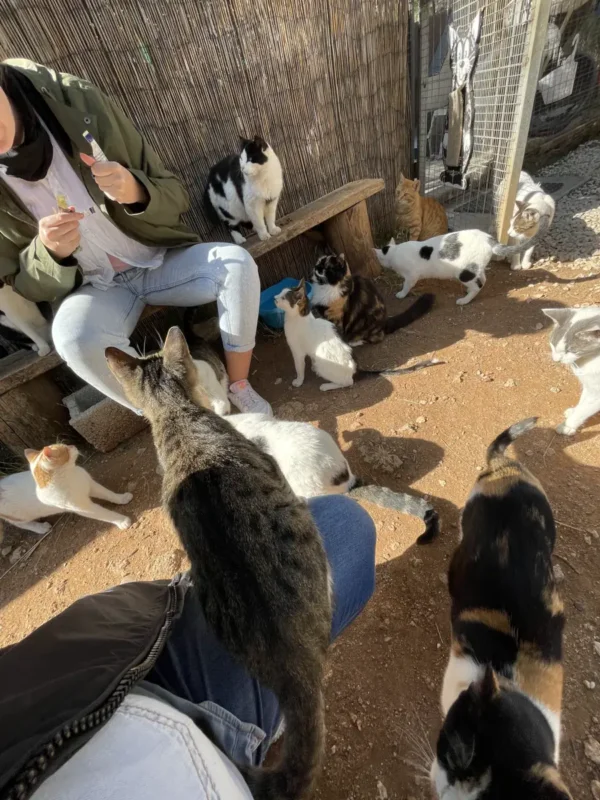
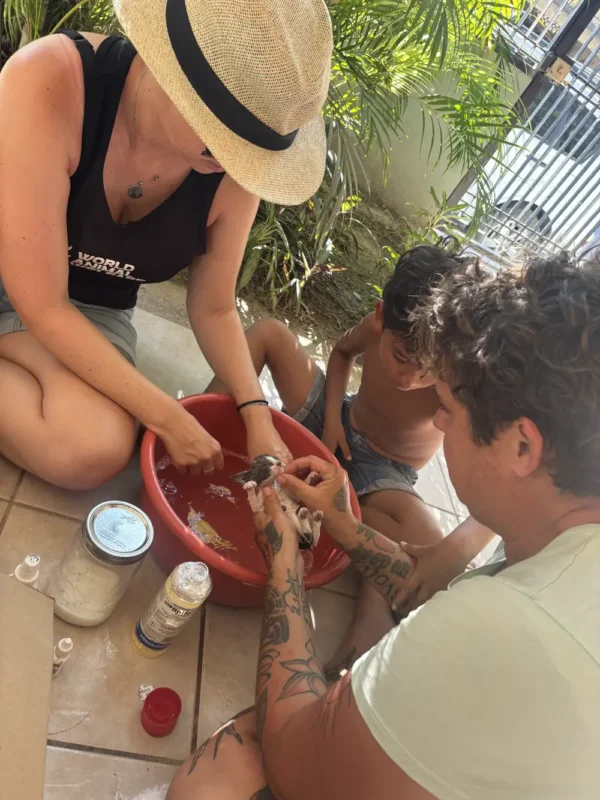
Dog walking often needs some extra training before you're allowed to take dogs out on your own. If you'd rather be with cats, the cat room usually has a much shorter onboarding.
To give you an idea, here are some roles shelters were looking for on World Animal Welfare at the time of writing.
- Help with caring for dogs at a shelter in Vratsa, Bulgaria
- An all-round cat lover in Alanya, Turkey
- Help at a dog shelter in rural Sicily, Italy
- Caring for animals on the Galapagos Islands, Ecuador
- A veterinarian, vet nurses and general welfare helpers in Mayreau, Saint Vincent and the Grenadines
See all current volunteer opportunities
How old do you have to be to volunteer at an animal shelter?
There's no single rule. Each shelter sets its own minimum age, and it depends a lot on whether you volunteer locally or abroad.
- Some shelters accept volunteers from 12 or 14 if a parent agrees
- Younger teens often need a parent at their side
- Many shelters set the limit at 16 or 18
- If you travel alone, you usually need to be at least 18
- To sign up on World Animal Welfare, you need to be 18 or older
- Younger volunteers can often join only if a parent comes along
So can 14-year-olds volunteer at animal shelters? Locally, often yes, with a parent's permission, a parent at their side or in a special youth program. Some shelters offer family volunteering, where parents and children work together. Abroad, a 14-year-old will usually need a parent who volunteers with them.
Shelters that host volunteers from abroad take responsibility for people far from home, often in remote places, which is why most of them set the limit at 18. On World Animal Welfare, you also need to be at least 18 to create an account. So before you book anything, ask the shelter about its age limit.
Too young? You can still help
Organize a donation drive, make simple toys or blankets, or help a rescue with social media.
What to wear and bring on your first day
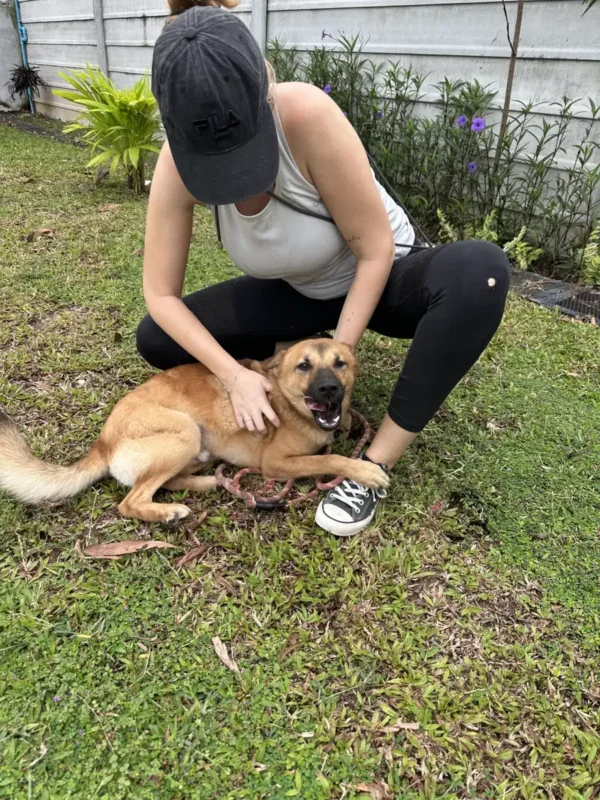
Shelter work is messy, and safety comes first. This is what I'd wear and bring.
- Closed shoes with a good grip, no sandals
- Clothes that can get dirty, wet or covered in fur
- Long hair tied back
- No dangling jewelry or scarves that a dog can grab
- A water bottle and a small snack
- Your ID and any forms the shelter asked you to bring
- A phone for emergencies, but keep it in your pocket while you work
Animal shelter, rescue or sanctuary: where should you volunteer?
People use the three words as if they meant the same thing, but a shelter, a rescue and a sanctuary work quite differently, and that changes what your days there look like.
| Animal shelter | Animal rescue | Sanctuary | |
|---|---|---|---|
| What it is | Takes in many animals, often run by a city or a nonprofit humane society | Usually smaller, often a network of foster homes | Gives animals a home for life, no adoption |
| Typical animals | Dogs, cats, small animals | Often one focus, such as one breed or senior dogs | Farm animals, wildlife, animals that can't be adopted |
| Volunteer roles | Structured programs, shifts, levels | Fostering, transport, events, flexible tasks | Daily care, cleaning, building, often longer stays |
If you want clear training and fixed shifts, a shelter suits you. A rescue gives you more freedom and less structure, and a sanctuary is the right place if you'd like hands-on care and can stay a bit longer.

The emotional side of shelter volunteering
Most guides make volunteering sound like a day of puppy cuddles, and some days really are like that, but plenty of them are hard.
You'll meet animals who have waited months for a home, animals who are old or sick, and animals who are scared of people for reasons you can only guess. Depending on the shelter, some animals won't leave alive. And even the good days end with goodbyes, because the dog you walked every week finally gets adopted.
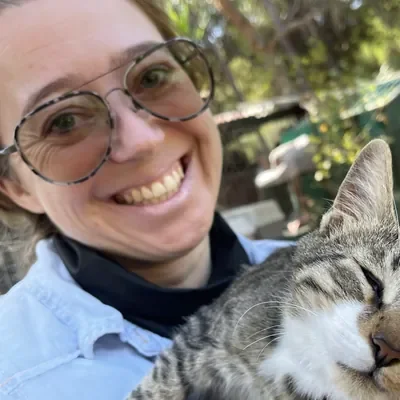
Jessi, founder of World Animal Welfare"The hardest part of my own month at a shelter in Mexico wasn't the work. It was the goodbye."
Good to know: compassion fatigue
Caring a lot, again and again, can wear you down. You feel tired, numb or irritable, and the shifts you used to love start to feel heavy. It's common among shelter staff and volunteers, and it isn't a sign that you're doing something wrong.
A few things really help.
- Take breaks before you need them
- Talk to other volunteers
- Focus on what you did today, not on everything that's still undone
And if you need a few weeks off, take them. The shelter will still be there when you come back.
Why volunteer at an animal shelter?
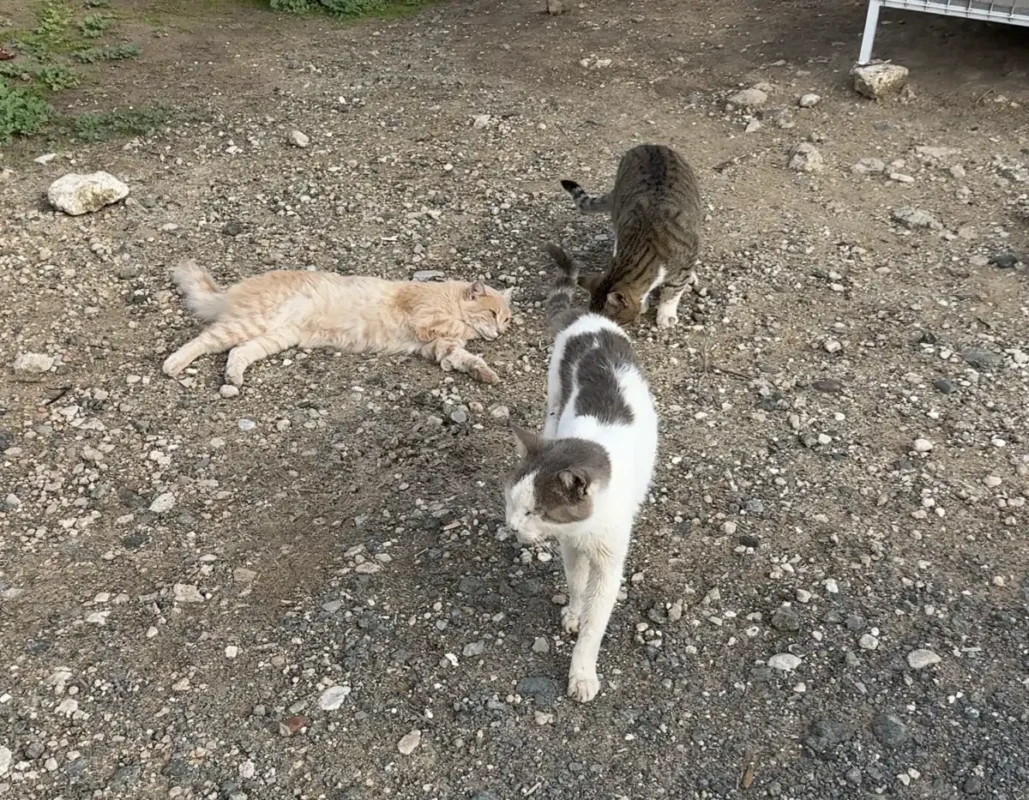
My own reason is simple. I get to spend time with animals, and I want to help as many of them as I possibly can. But the benefits of volunteering at an animal shelter go further than that, and they start with the animals. For them, time with people means exercise, attention and practice at being handled, and that helps the shy ones cope with shelter life and eventually meet their adopters. The staff get time back for medical care and adoptions with every task a volunteer takes over.
And you get hands-on experience, a reference for job or vet school applications and a bunch of people around you who care about the same things you do.
"A volunteer gives the most valuable thing they have: their time."
Jessi, founder of World Animal WelfareVolunteering with animals abroad
Maybe there's no shelter near you that takes new volunteers. Maybe you're traveling and want your trip to mean something. In both cases you can volunteer with animals abroad, it just helps to know how the different options work.
Many volunteer programs charge a placement fee. Part of it may cover real costs, such as accommodation or an airport pickup. Some work-exchange platforms charge volunteers a membership fee instead.
Good to know: you pay with your time
Volunteering helps organizations on the ground when there's too much work for too few people. That's the deal. You give your time and energy, and the shelter gives you a place where you're needed and, where it can, a bed or meals.
Red flags: when volunteering becomes a product
- You pay a lot to helpIf a program charges something like $1,000 a week, volunteering has become a product that's being sold. A fair contribution for a bed and meals is one thing. A price far above what those cost on site is another.
- Cuddling wild animals is part of the offerGood wildlife rescue centers keep contact to a minimum, because wild animals should not get used to people.
- The animals are there for the visitorsBaby animals all year round, photo sessions or rides suggest that the animals serve the business, not the other way around.
Good to know: why World Animal Welfare is free
We founded World Animal Welfare as a registered 501(c)(3) nonprofit because we don't want to make money from it. We want to do our part and help as many organizations as possible find the help they need, so the platform is free for volunteers and shelters. You find shelters and rescues in 25+ countries, from Spain and Italy to the Philippines and Ecuador, see what each one needs, and message them directly.
You pay for your own travel, and each listing tells you what the shelter offers on site, such as accommodation or meals.
Tip
Before you book a flight, confirm your dates, tasks and accommodation with the shelter in writing.
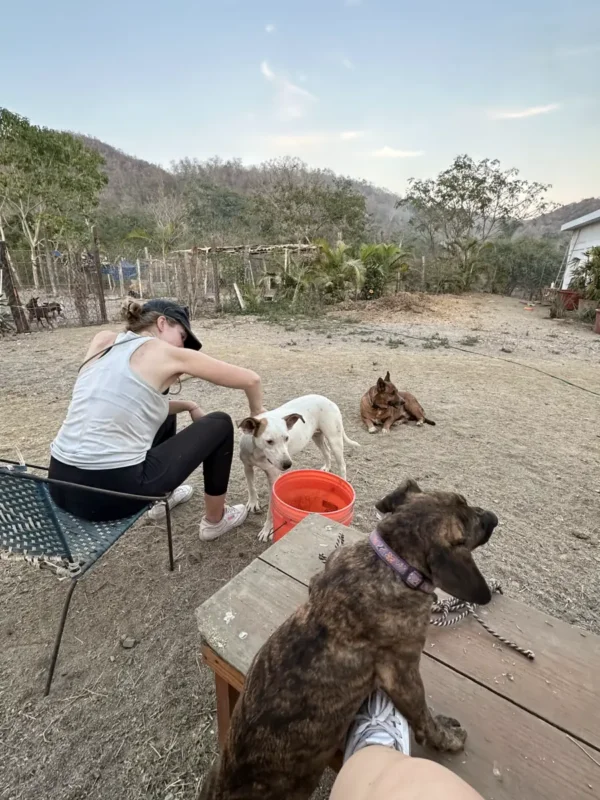
I spent a month at an animal shelter in Mexico myself. If you want to know what that's really like, from the daily routine to the goodbye, read what a month at an animal shelter in Mexico is really like.
Find a shelter that needs you, at home or abroad.
Your first step
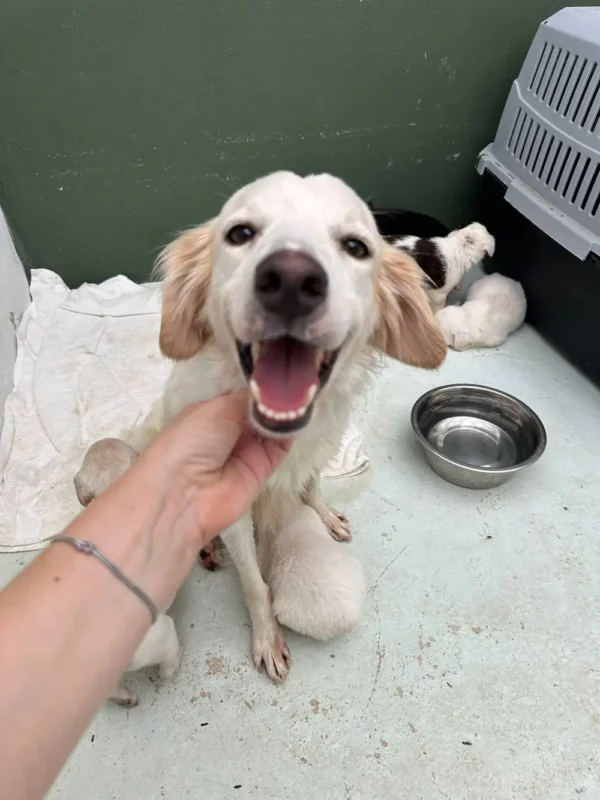
Volunteering at an animal shelter starts with a few applications. The rest you'll figure out during your first few shifts, like everybody else did. If you're ready, at home or somewhere far away, start here.
Frequently asked questions
Do volunteers at animal shelters get paid?
No. Volunteers are unpaid. Shelters also employ paid staff, often called animal care staff or kennel technicians, and some hire people who started as volunteers.
Can 14-year-olds volunteer at animal shelters?
Locally, often yes, with a parent's permission, a parent at their side or in a youth program. Abroad, volunteers usually need to be 18 unless a parent comes along, and you need to be 18 to sign up on World Animal Welfare. Every shelter sets its own minimum age, so ask before you plan anything.
Can volunteering lead to a job?
It can help. Shelter volunteering gives you experience and references for jobs in animal care or for vet school applications. Nobody can promise you a job afterwards, of course.
What disqualifies you from volunteering?
The most common reasons are being under the minimum age or not being able to commit to the required hours. Some shelters also run background checks. Each shelter decides for itself.
Is it hard to get into volunteering at an animal shelter?
It can be. Many shelters simply don't have the time to answer emails, so messages from volunteers often get lost. If that happens with a shelter near you, drop by and ask in person. Finding a shelter abroad was even harder for me, and that's exactly why I started World Animal Welfare, so you can find the shelters that need help and contact them directly.
How often should I volunteer at an animal shelter?
Locally, as often as you can do reliably. Many shelters ask for one shift a week or a few hours a month. Abroad, you usually commit to a stay of two weeks or more with several hours a day.
Is volunteering at an animal shelter worth it?
For most people, yes. It's physical, sometimes sad and often messy, and it's also one of the most direct ways to change an animal's life.